Jaw orthopaedics: underbite and overbite
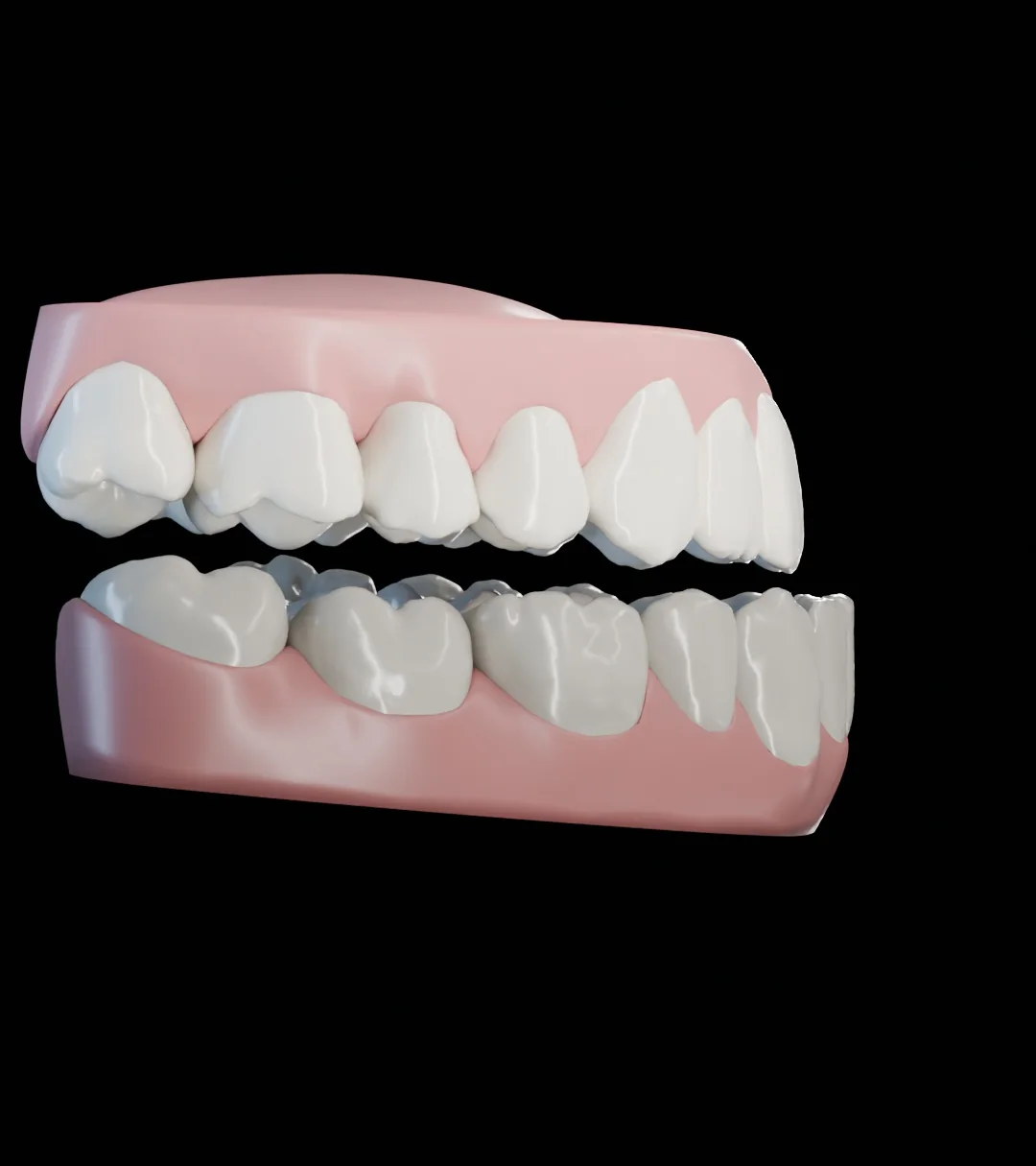
What can point to an underbite?
None of these is a diagnosis on its own, but each is a good reason for an examination.
Reverse bite
The lower front teeth close in front of the upper front teeth.
Concave profile
From the side, the middle of the face and the upper lip look set back and the chin looks forward.
Narrow upper jaw
The back teeth may also cross over; the upper jaw is narrow compared with the lower.
Family history
If a parent or sibling has a similar jaw shape, an early examination matters even more.
Why during growth?
While a child is still growing, the joins between the bones around the upper jaw are more flexible. Expansion and a face mask used in this period aim to guide how the upper jaw grows. That is why this treatment is usually recommended to start between the ages of 7 and 10.
Once growth has finished, a difference in the position of the jaws is often treated with orthognathic (jaw) surgery. The right path is decided at an examination.
Orthognathic surgeryUpper jaw treatment, step by step
Examination and records
The teeth, jaws and face are assessed. X-rays, photographs and an intraoral scan show how the jaws relate to each other.
Expansion appliance
The appliance is attached to the back teeth, usually in a single visit.
Turning the screw
The screw is turned at home. How often and for how long is set for your child by your orthodontist, who will show you how.
Face mask
The mask is worn at home and overnight, at least 16 hours a day. The elastics are replaced with new ones every day.
Regular check-ups
Progress is followed at check-ups, and the elastics and mask are adjusted when needed.
Follow-up
After the mask phase, regular follow-up continues until growth is complete. Braces or clear aligners may be needed later to align the teeth.
Everyday life with the appliance and mask
Wearing time
The mask is worn outside school hours, at home and overnight, to reach at least 16 hours a day. How long it is worn directly affects how well treatment works, so keeping a chart helps.
Elastics
The elastics are replaced every day; always keep spares with you.
Cleaning
Brush around the appliance after every meal. Keep the mask pads that touch the face clean, and let us know if the skin becomes red.
Food
Hard and sticky foods can damage the appliance, such as nuts in their shells, hard sweets and chewing gum.
Frequently Asked Questions
Does it hurt?
After the screw is turned there may be some pressure in the palate and at the bridge of the nose for a few days, and getting used to the mask can also take a few days. This usually eases quickly.
Does my child wear the mask at school?
Usually not. Wearing it outside school hours, at home and overnight, reaches at least 16 hours a day.
How long does treatment take?
The expansion and face mask phase takes about 6 months on average. It can vary with the jaws and with growth, and the expected time for your child is discussed after the examination. Follow-up then continues until growth is complete.
At what age should it start?
This treatment is usually recommended to start between the ages of 7 and 10. Because timing matters, an early examination helps; the right time for your child is decided at the examination.
A gap has opened between the front teeth. Is that normal?
Yes. It is an expected sign of expansion and closes, or is closed, later on.
Can it come back after treatment?
The jaws keep changing as long as a child is growing, so regular follow-up continues until growth is complete. Some children need further treatment later.
Timing matters; let’s look together.
Fill in the form and we will call you to agree on a day and time for an examination.
This page is for information only. Diagnosis and treatment decisions are made at an examination.
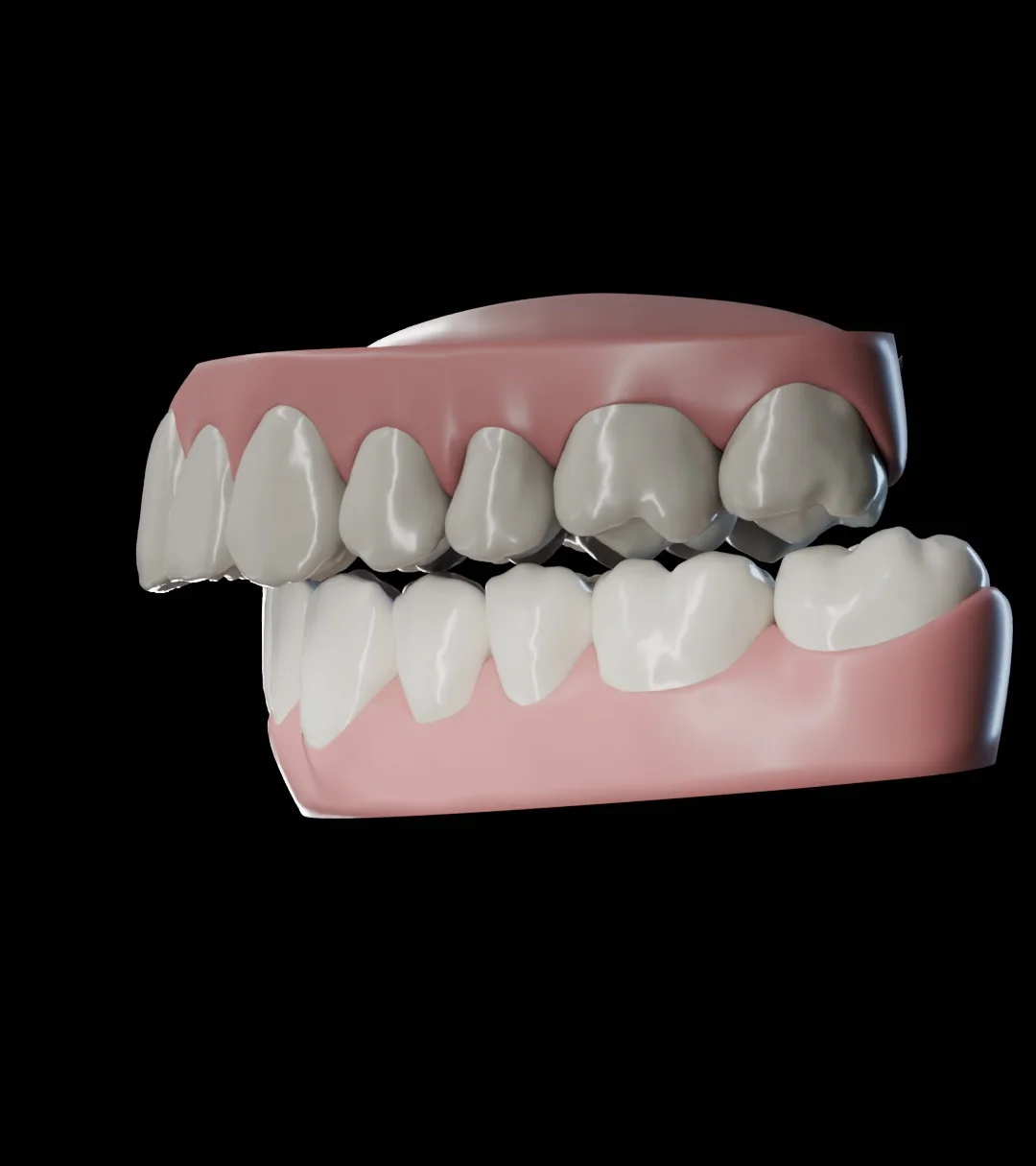
What can point to an overbite?
None of these is a diagnosis on its own, but each is a good reason for an examination.
Upper teeth far forward
The upper front teeth sit well ahead of the lower ones, with a clear gap between the two rows.
Convex profile
From the side the chin looks set back, and the lower lip may tuck behind the upper front teeth.
Deep bite
The upper front teeth cover most of the lower ones, and the lower front teeth may touch the palate.
Family history
If a parent or sibling has a similar jaw shape, an early examination matters even more.
Why during the growth spurt?
The lower jaw grows quickly during the growth spurt around puberty. Used in this period, the Twin Block aims to guide the lower jaw to grow forward. That is why treatment usually starts between the ages of 9 and 13, timed by assessing the growth spurt.
Once growth has finished, a difference in the position of the jaws is often treated with orthognathic (jaw) surgery. The right path is decided at an examination.
Orthognathic surgeryLower jaw treatment, step by step
Examination and records
The teeth, jaws and face are assessed. X-rays, photographs and an intraoral scan show how the jaws relate to each other. The X-rays also show which stage of growth your child is in.
Making the appliances
Appliances with their wings are made for your child from the intraoral scan.
Fitting
The appliances are fitted, and you and your child are shown how to put them in, take them out and clean them.
Daily wear
The appliances are worn at least 20 hours a day and come out only for meals and brushing.
Regular check-ups
Progress is followed at check-ups, and the appliances are renewed when needed.
Follow-up
After the Twin Block phase, braces or clear aligners may follow to align the teeth. Regular follow-up continues until growth is complete.
Everyday life with the Twin Block
Wearing time
The appliances stay in at school too; to reach at least 20 hours a day they come out only for meals and brushing. How long they are worn directly affects how well treatment works, so keeping a chart helps.
Speech
Speech may change a little in the first days; children usually adjust within a few days.
Cleaning
Clean the appliances with a soft brush and cold water; hot water can change their shape. Brush the teeth before putting the appliances back in.
Storage and drinks
Keep the appliances in their case when they are out; appliances wrapped in a napkin are easily lost. Drink only water while the appliances are in.
Frequently Asked Questions
Does it hurt?
In the first days the teeth and jaw may feel a little tight, and getting used to holding the lower jaw forward can take a few days. This usually eases quickly.
Does my child wear the appliances at school?
Yes. To reach at least 20 hours a day they stay in at school too and come out only for meals.
How long does treatment take?
The Twin Block phase takes about 9 to 12 months on average. It can vary with the jaws and with growth, and the expected time for your child is discussed after the examination.
At what age should it start?
Usually between the ages of 9 and 13, timed by assessing the growth spurt. The right time for your child is decided at the examination.
Can it come back after treatment?
The jaws keep changing as long as a child is growing, so regular follow-up continues until growth is complete. Some children need further treatment later.
Timing matters; let’s look together.
Fill in the form and we will call you to agree on a day and time for an examination.
This page is for information only. Diagnosis and treatment decisions are made at an examination.